
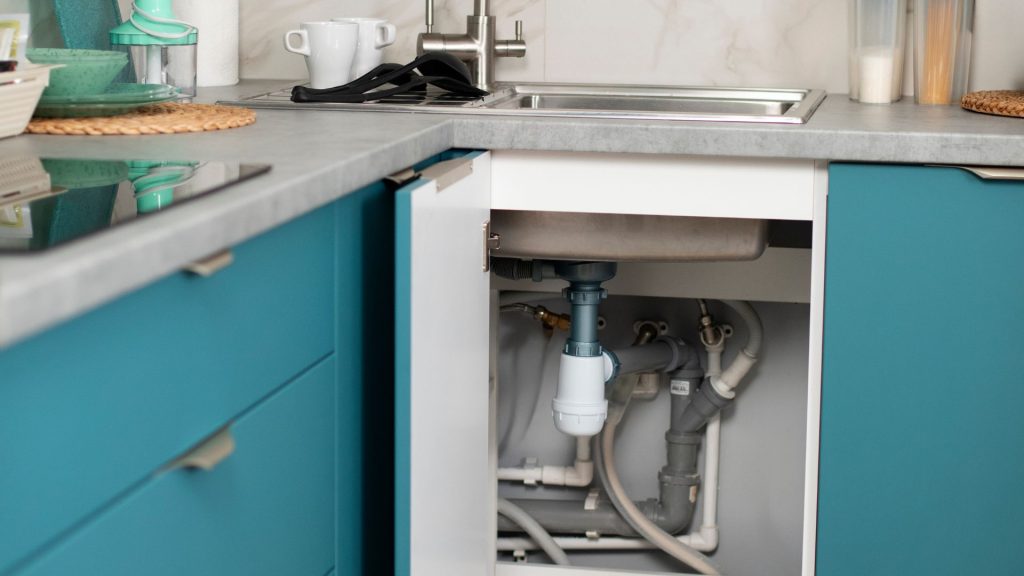
Welcome to the very first edition of Pipe Talk, your new go-to space for understanding what actually goes on inside your pipes, why things go wrong, and how to stop your plumbing from turning your day upside down. We’re based right here in Howick, in the Midlands of KwaZulu-Natal, where the mix of older homes, big gardens, clay soils and everyday living creates its own unique set of plumbing challenges.
So, before we dive into fancy tips and quick fixes in future posts, let’s start with the basics:
What actually causes drains to clog and what can you do to prevent it long-term?
Because blocked drains aren’t just annoying. They cost money, they damage property, and they always seem to happen when you least expect them. A proper understanding now will save you a lot of stress later.
1. Everyday Build-Up Inside Your Pipes
This is the most common cause of slow or blocked drains, simple daily life. Even if you’re careful, your drains collect:
- Soap scum
- Oils and lotions
- Grease and cooking fats
- Hair
- Toothpaste and shaving residue
- Food particles
Over time this creates a sticky layer along the pipe walls. Add a bit of warm water, a few showers, and suddenly you’ve created the perfect breeding ground for biofilm, a mix of bacteria and gunk that thickens until water barely moves through.
Long-term solution:
A proper professional drain clean at least once a year. Not the cheap chemical stuff from the supermarket, that often damages older pipes. Professional jetting removes the build-up completely, giving you a clean slate and preventing recurring clogs.
2. Foreign Objects Sneaking Into Your Drains
You’d be shocked at what we find in household pipes. Hair clips, earbuds, baby wipes, cotton pads, plastic bits, kids’ toys, even the occasional wedding ring.
Anything that doesn’t dissolve easily can get stuck and trap other debris around it.
Long-term solution:
- Use drain covers in showers and basins.
- Keep wipes, cotton pads, and sanitary products far away from the toilet.
Even the ones labelled flushable will block your pipes faster than you think.
If you’ve got toddlers, a toilet lock is a surprisingly smart investment. Kids love “flushing experiments.”
3. Grease: The Silent Drain Killer
South African kitchens love cooking with oils, butter, stews, curries and roasts, which unfortunately means grease is a huge culprit in blocked kitchen sinks.
Grease pours out as a warm liquid but cools into a thick, sticky mess that coats everything inside the pipes.
Long-term solution:
- Pour your used oil or fat into a jar or tin and throw it away once solid.
- Wipe pans with a paper towel before rinsing.
- If you cook with a lot of oil, schedule regular drain maintenance.
4. Tree Roots (The Midlands’ Biggest Plumbing Enemy)
Howick soils are rich, damp and packed with roots, great for gardens, terrible for underground pipes. Even the tiniest crack or joint in a pipe releases moisture into the soil, and roots will find it.
Once they’re inside, roots expand fast, slow down your drains, and eventually cause major blockages or pipe collapse.
Long-term solution:
- Keep large trees at least 10–15 metres away from sewer lines.
- Install root barriers if planting near plumbing.
- Book annual camera inspections for older homes to catch intrusions early.
5. Mineral Build-Up From Our Local Water
The Midlands area has moderate to hard water in many neighbourhoods. Minerals like calcium and magnesium can coat the inside of pipes, making them rough and narrow. This traps debris more easily and slows drainage.
Older cast-iron and clay pipes are especially prone to this.
Long-term solution:
- Consider a water softener for the whole house.
- Use professional descaling if your home has older plumbing.
- If your sewer line is decades old, replacement may be the smartest (and cheapest long-term) fix.
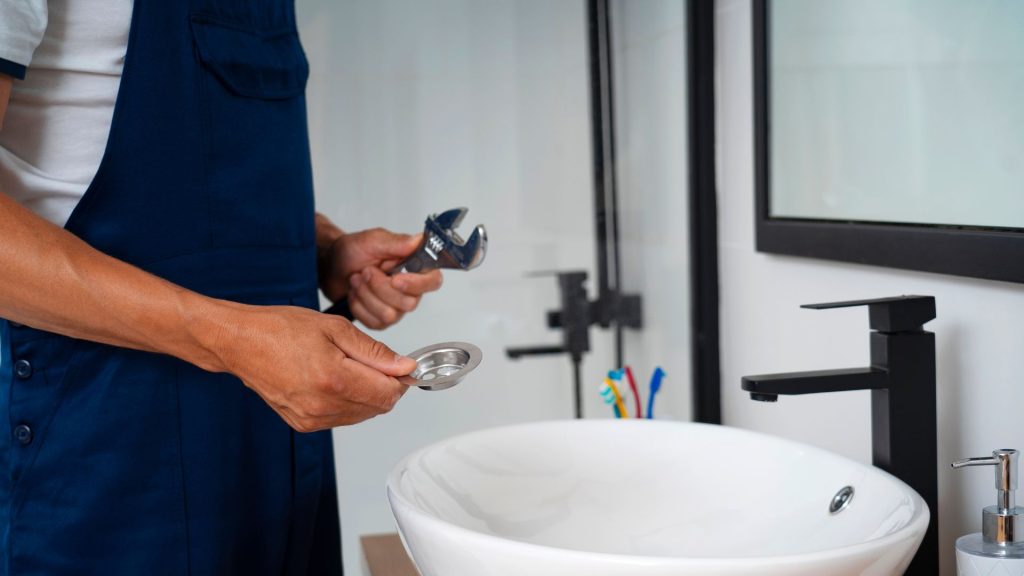
Your Home’s Plumbing Doesn’t Need to Be a Mystery
Blocked drains aren’t random disasters, they usually come from predictable patterns that can be prevented with the right habits and maintenance. Pipe Talk is here to help you understand the “why” behind your plumbing issues so you can make smarter, long-lasting decisions for your home.
In the coming blogs, we’ll unpack everything from:
- How to spot early signs of pipe trouble
- Whether chemical drain cleaners actually work
- What really happens during a professional drain clean
- The truth about “flushable” wipes
- How to protect older homes from frequent blockages
- And plenty more practical, Midlands-friendly advice
If you take one thing away from this first post, let it be this:
Small habits today prevent big plumbing bills tomorrow.
Welcome to Pipe Talk. Let’s keep things flowing.